Kids Pilates: Movement Education for Growing Children
Watching children leave elementary school these days can be disheartening. Kids hunched over smartphones with heavy backpacks—forward head posture, rounded shoulders, lumbar hyperlordosis. Postural abnormalities that were once considered middle-aged problems are now commonly observed in elementary school students.
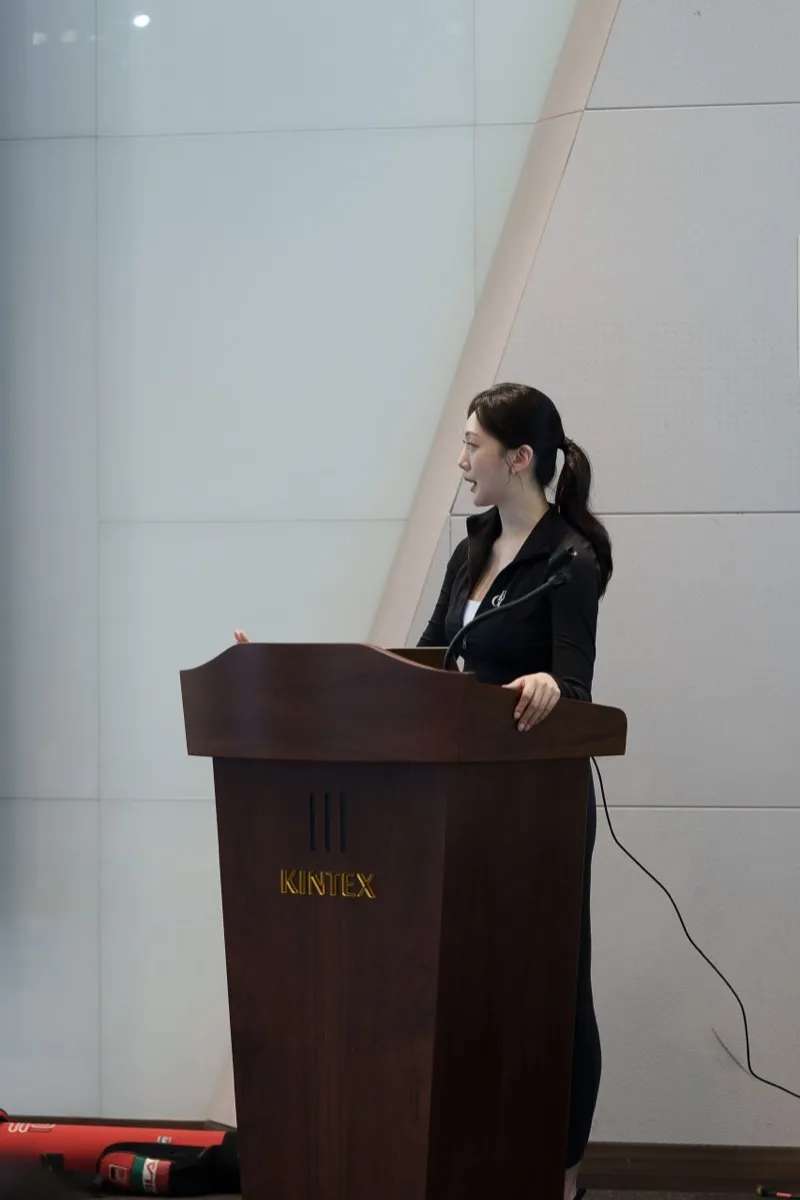
I found the answer to this problem in Kids Pilates. And as the National Director of fonv Pilates Association, I’ve had the opportunity to share this answer with Pilates professionals around the world at seminars in Sapporo, Japan and Taipei, Taiwan.
Why Should We Worry About Growing Children’s Posture Now?
Increased screen time and sedentary lifestyles are causing postural problems — once considered adult issues — to appear commonly in elementary school children.
Since 2020, medical reports indicate a noticeable increase in scoliosis diagnoses among children and adolescents. The causes are multifaceted, but the biggest factors are increased sedentary time and digital device usage.
Children’s musculoskeletal systems are still incomplete. Their bones are growing, muscles developing, and nervous systems maturing. If poor posture becomes habitual during this period, asymmetrical loads on growth plates can lead to structural deformities.
Common Posture Problems in Growing Children
| Problem | Cause | What Kids Pilates Addresses |
|---|---|---|
| Forward Head Posture | Smartphone and tablet use | Cervical alignment, upper back extension |
| Rounded Shoulders | Prolonged desk sitting | Scapular stability, chest opening |
| Lumbar Hyperlordosis | Weak core, anterior pelvic tilt | Deep core activation (transversus, pelvic floor) |
| Flat Feet / Gait Issues | Insufficient arch development | Foot proprioception, ankle stability |
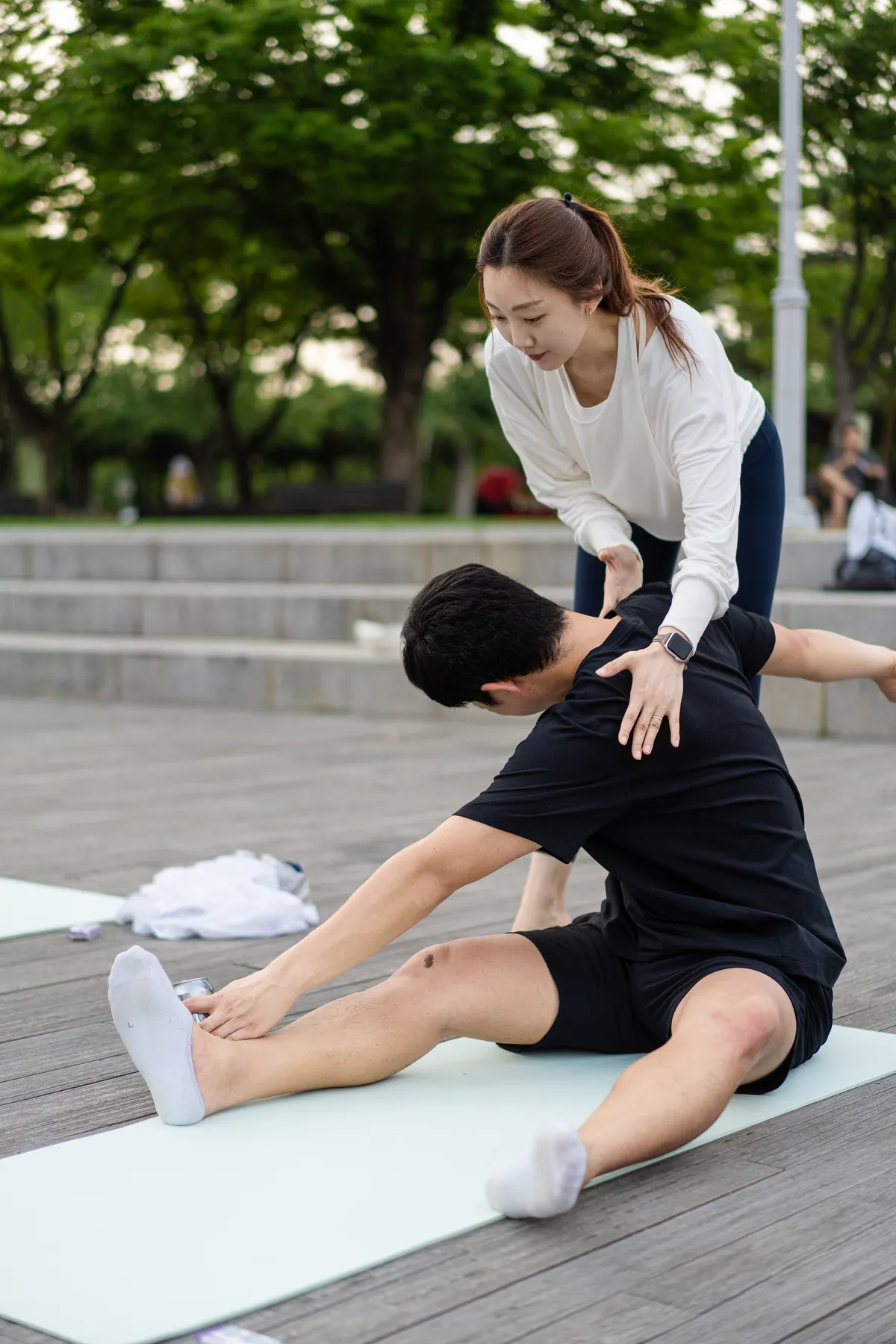
These problems can’t be solved by simply telling a child to “sit up straight.” What children need isn’t nagging — it’s developing the physical ability to maintain proper posture on their own.
What Is the Scientific Basis of Kids Pilates?
Kids Pilates leverages children’s high neuroplasticity to imprint proper movement patterns into the nervous system while developing the entire deep core system.
Joseph Pilates, the founder of Pilates, once said: “In 10 sessions you’ll feel the difference, in 20 you’ll see the difference, and in 30 you’ll have a whole new body.” This principle, effective for adults, creates even more dramatic changes in growing children.
Neuroplasticity and Motor Learning
A key concept in the Motor Control field I researched during my doctoral program is neuroplasticity. The developing brain has far greater capacity than the adult brain to create and strengthen new neural connections.
Providing quality movement experiences during this period deeply imprints proper posture and movement patterns into the nervous system. Conversely, missing this window means correcting faulty patterns later requires far more time and effort.
Kids Pilates actively leverages this neuroplasticity. Through experiencing various postures and movements, we’re essentially programming the child’s brain to recognize “this is how natural movement feels.”
Core Development and Postural Stability
Many children haven’t yet fully developed their core strength. A weak core means the spine can’t be actively supported, and posture easily collapses under environmental influences (heavy backpacks, low desks, etc.).
Every Pilates movement begins with core activation. When children learn Pilates, it’s not just their abs getting stronger—the entire deep core system comprising the transversus abdominis, multifidus, pelvic floor, and diaphragm develops. When this system is functional, the body naturally maintains good alignment without conscious effort.
What Was Shared at the fonv International Seminars?
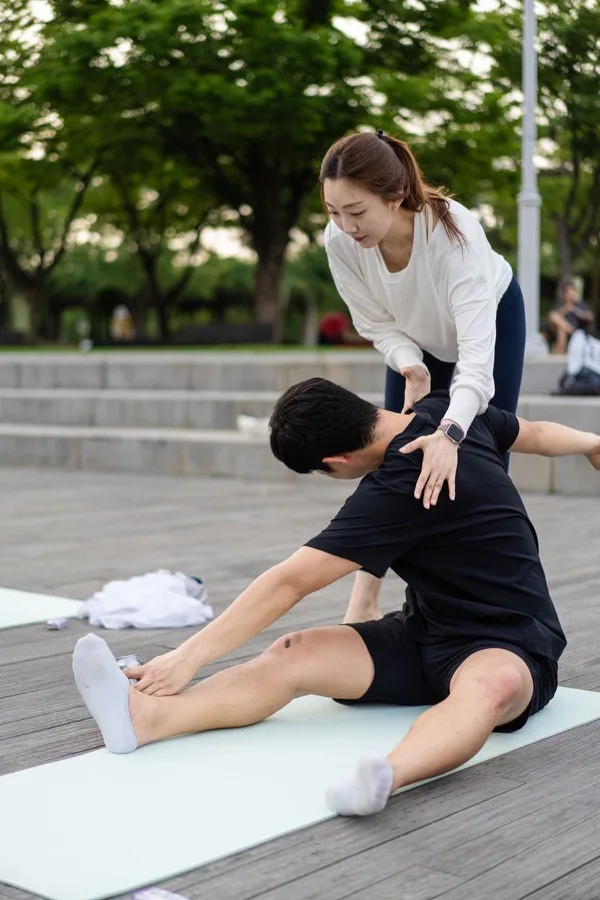
At seminars in Sapporo and Taipei, I presented Kids Pilates as “movement education” and discovered that East Asian children share remarkably similar posture challenges.
fonv Pilates Association is a Korea-based international Pilates education association. I serve as fonv’s National Director and international seminar instructor.
Sapporo Seminar: “Reading the Signals Children’s Bodies Send”
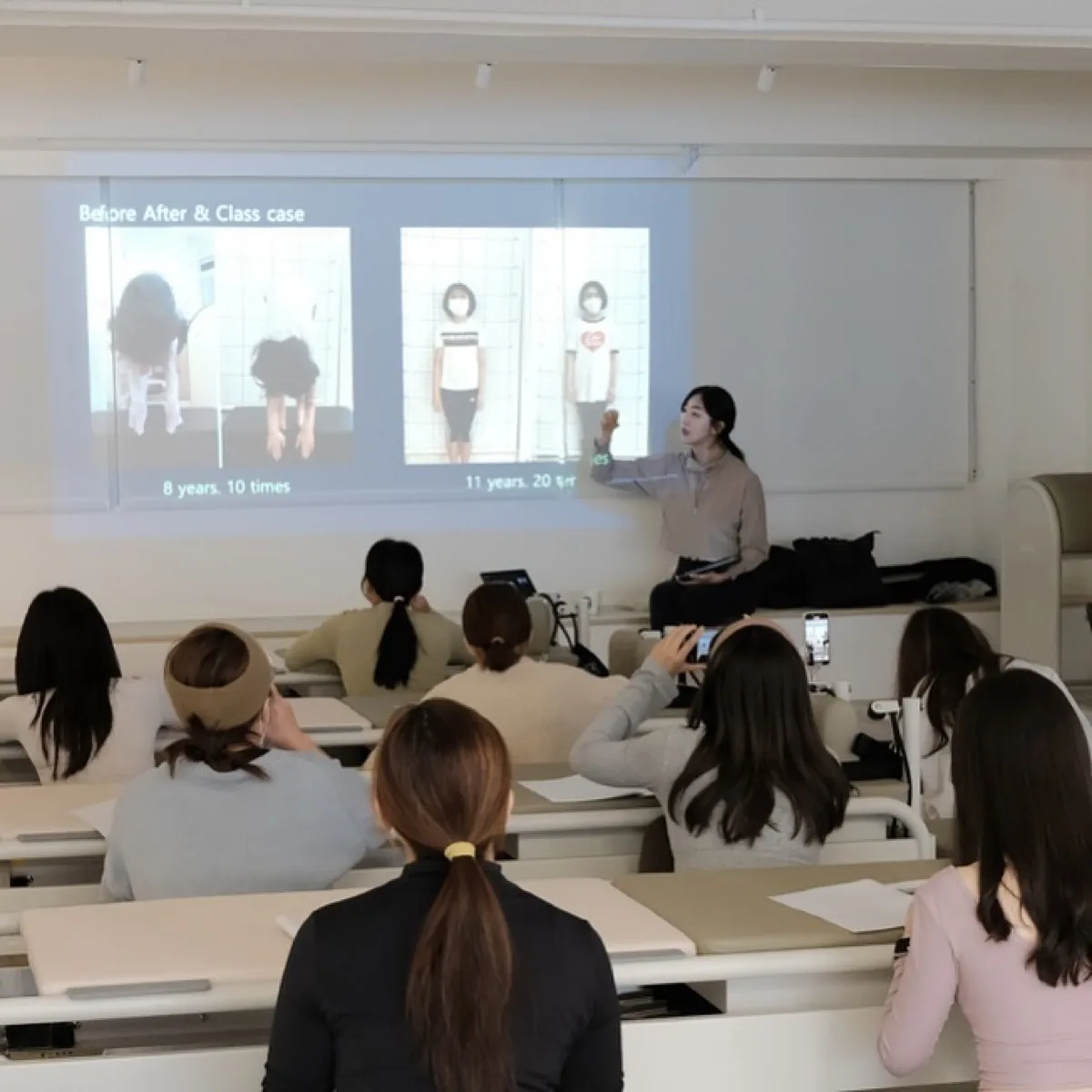
At the Kids Pilates seminar in Sapporo, Japan, I presented on “How to read the signals that children’s bodies send.” Japan, like Korea, faces children’s posture problems as a social issue, and the attending Pilates instructors showed tremendous interest.
The core emphasis was that Kids Pilates isn’t simply “children’s exercise”—it’s “movement education.” The goal isn’t to make children strengthen specific muscles, but to let them experience diverse movements while developing the ability to recognize and control their own bodies.
Taipei Seminar: The Universality of Movement Across Cultures
What struck me at the Taipei seminar was how remarkably similar the posture problems were among children in Korea, Japan, and Taiwan. The ubiquity of digital devices, study-centered lifestyles, decreased outdoor activity time—common environmental factors across East Asian children are producing similar physical outcomes.
This experience reinforced my conviction that Kids Pilates isn’t just Korea’s issue—it’s a program needed across Asia and indeed worldwide.
How Is the Kids Pilates Program Structured?
Each session follows four stages: movement play (10 min), basic Pilates movements (25 min), small prop activities (15 min), and cool-down with body scan (10 min).
The most important thing in Kids Pilates is that the child must enjoy it. No matter how scientifically perfect a program is, it’s meaningless if the child thinks “I don’t want to do this.”
My Kids Pilates program is structured as follows:
Movement Play (10 minutes): Warm-up in the form of play—animal mimicry, obstacle courses—to capture children’s interest. This naturally establishes the range of motion in all joints.
Basic Pilates Movements (25 minutes): Fundamental Pilates exercises on the mat. Breathing techniques, core activation, and spinal alignment are explained at the child’s level. We use simple language like “Try sticking your belly button to your back.”
Small Prop Activities (15 minutes): Activities using balance balls, foam rollers, and bands. Props increase children’s engagement and are effective for proprioceptive training.
Cool-down and Body Scan (10 minutes): Stretching with calm music, taking time to recognize each part of the body that moved during the session. This “body scan” is a crucial step in developing the child’s body awareness.
A Note to Parents
“I’m worried about my child’s posture”—I hear this constantly. I fully understand your concerns. But rather than telling your child “Straighten your back!”, helping them build a body that can straighten itself is far more effective.
Kids Pilates doesn’t promise quick results. But with consistency, the child’s body changes, posture changes, and confidence changes. And these changes persist well beyond the growth years.
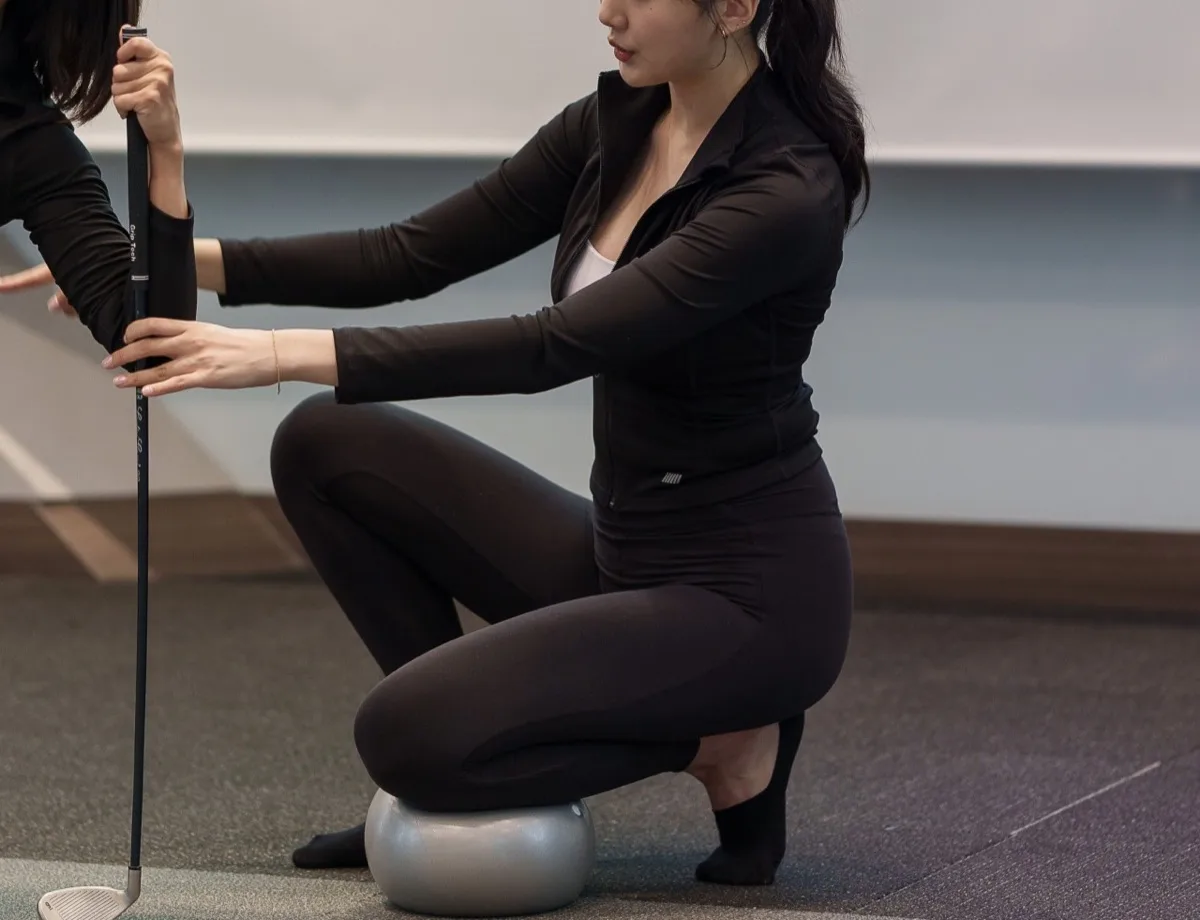
This program is one example of how K-Pilates creates specialized solutions backed by sports science research. I’ve shared this approach at fonv international seminars in Japan and Taiwan, where East Asian professionals are building a collaborative network to tackle children’s posture challenges together. We also offer specialized tracks for golfers and runners at mm Pilates.
Questions about our Kids Pilates program? Reach out on Instagram @pilajuliaa. I’ll help with a personalized consultation based on your child’s current condition.
Transform Your Movement, Transform Your Life
From Golf & Running Pilates to barre n yoga — discover programs designed by a sports science expert.