Why Korean Pilates Is Different: An Insider's Perspective
If you’ve been anywhere near fitness social media in the past year, you’ve probably noticed a wave of sleek reformer studios, pastel workout sets, and impossibly precise movements flooding your feed. Most of it comes from Korea.
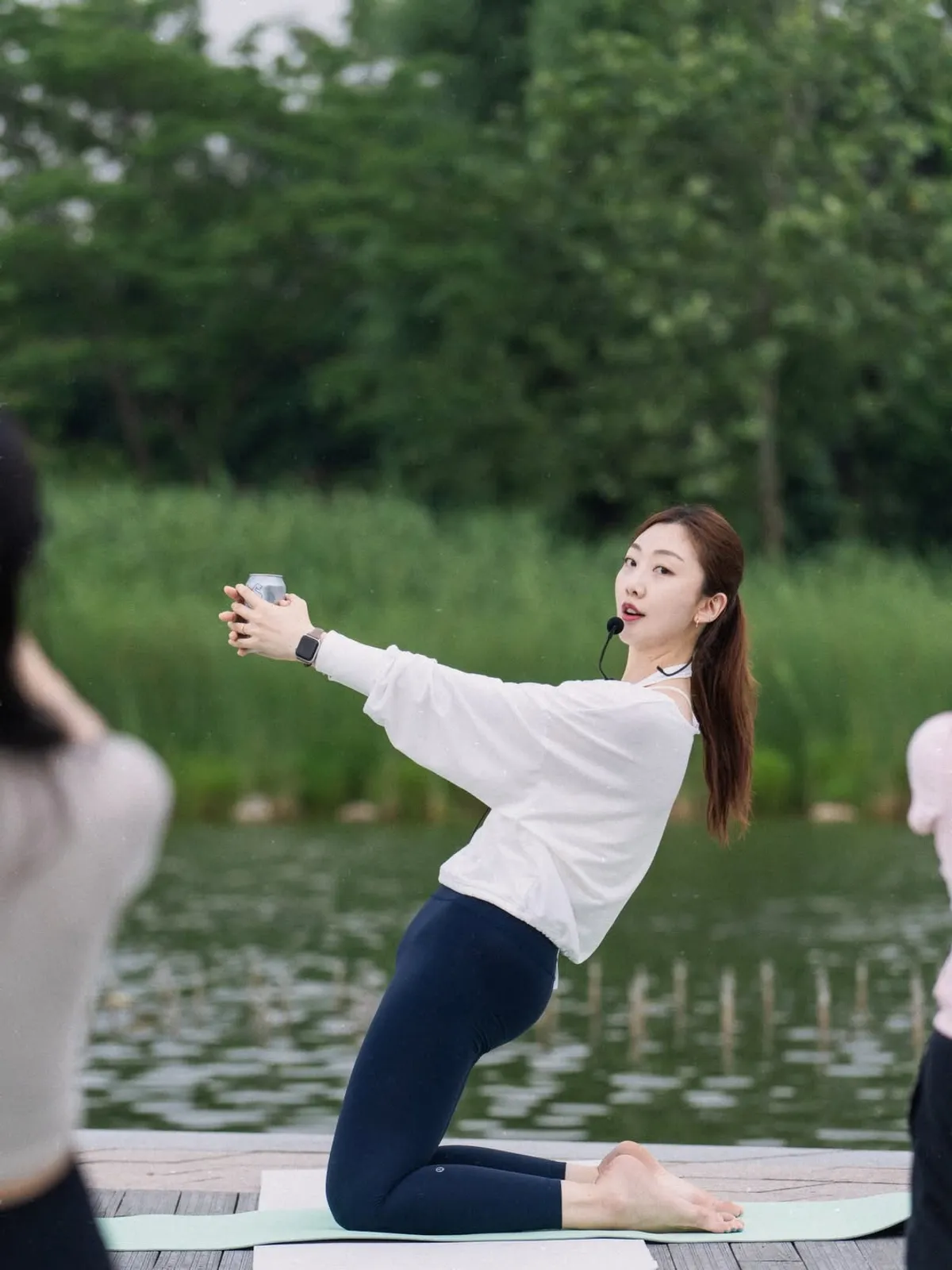
But K-Pilates isn’t just an Instagram aesthetic. Having trained, taught, and built two studios in Seoul — mm Pilates and mm barre n yoga — I’ve watched this movement evolve from the inside. And I can tell you: what makes Korean Pilates different goes far deeper than the visuals.
What K-Pilates Actually Means
The term “K-Pilates” emerged around 2022-2023, when Korean Pilates content started going viral globally. But the methodology behind it has been developing for over a decade.
At its core, K-Pilates is defined by three characteristics:
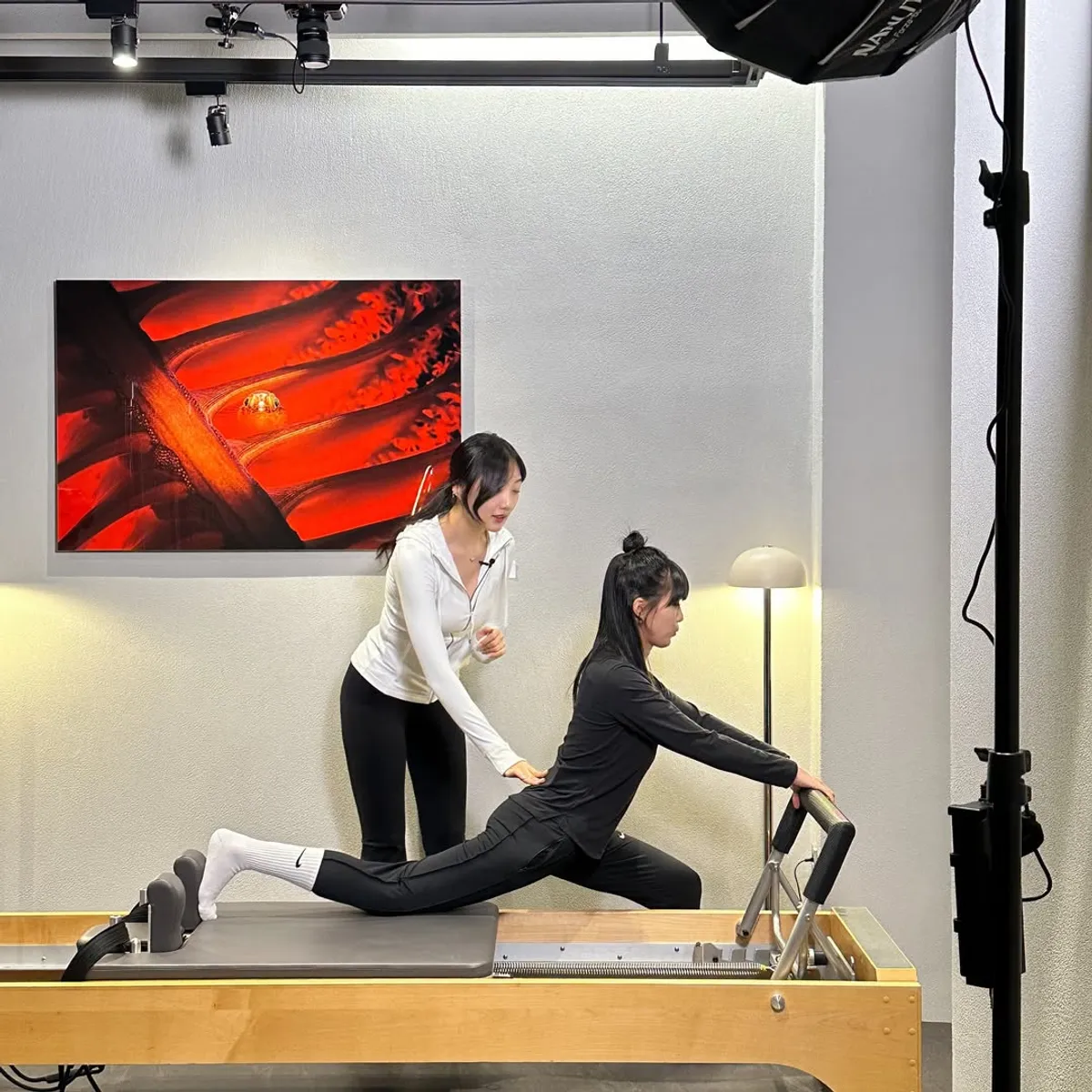
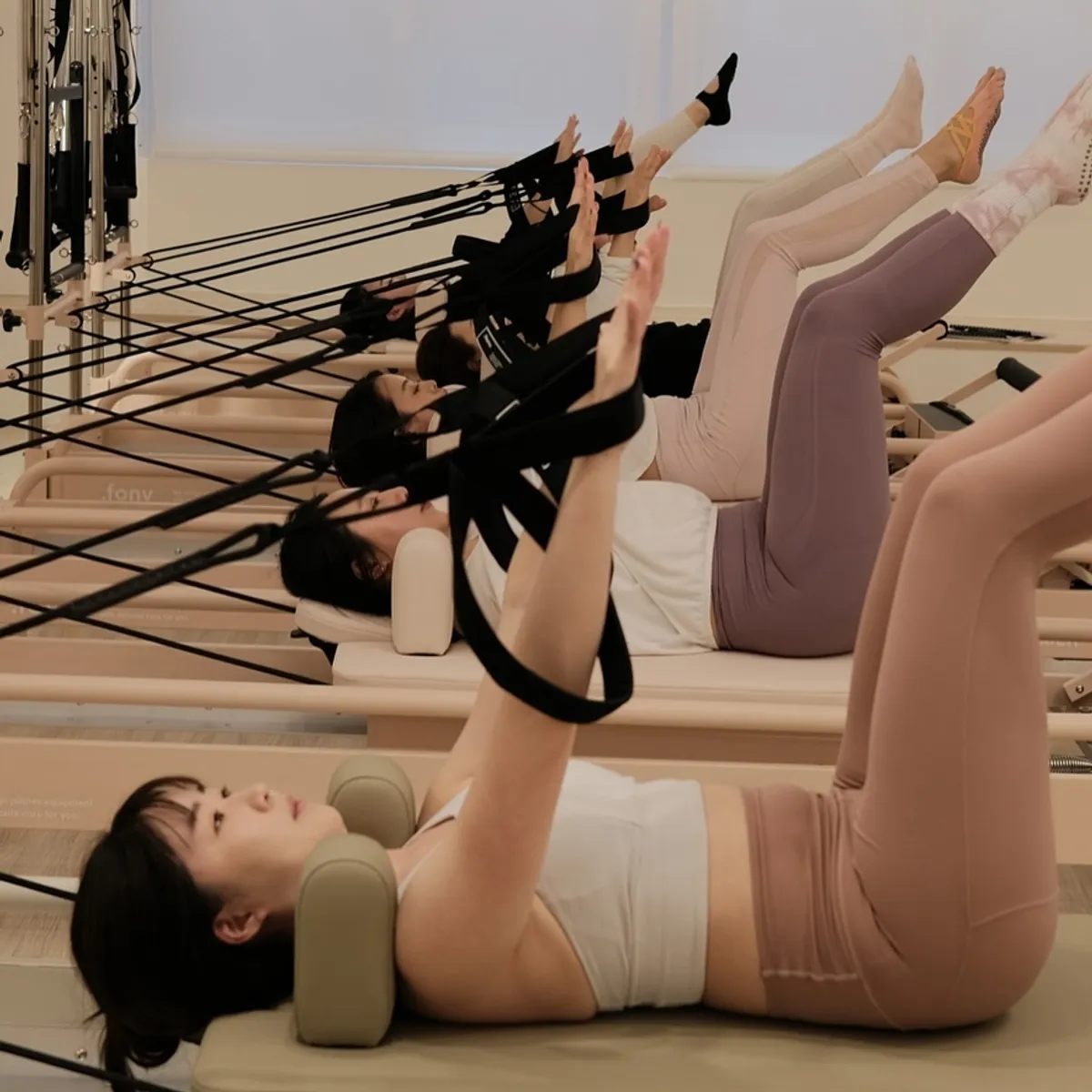
- Reformer-first culture: Unlike Western studios that often begin with mat classes, Korean studios are built around the reformer. It’s not a premium add-on — it’s the default.
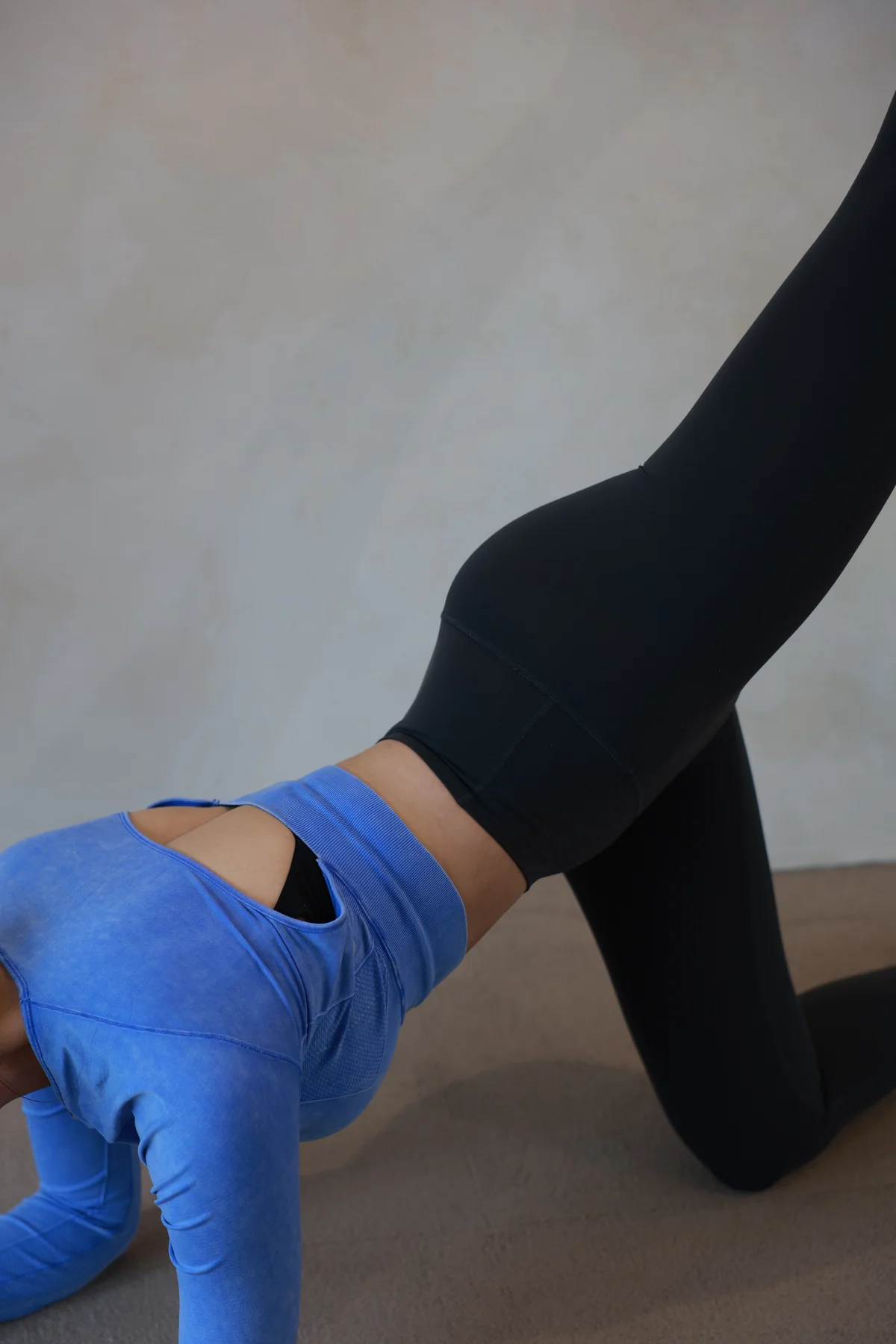
- Line and posture emphasis: Korean Pilates pays extraordinary attention to body alignment and aesthetic lines. Every movement is about creating length, balance, and visual harmony.
- Science-backed instruction: Many Korean instructors hold degrees in sports science, kinesiology, or physical therapy. The training isn’t just experiential — it’s academic.
During my Ph.D. coursework in Motor Control at Chung-Ang University, I studied the biomechanical principles that now form the foundation of my teaching. This academic rigor is surprisingly common among Korean Pilates professionals.
Of course, these characteristics don’t split neatly into “Korean” and “Western” camps. Everywhere in the world, studios vary enormously depending on whether they follow classical or modern methods, whether they’re boutique or large-scale.
But looking at the Korean Pilates market as a whole, certain patterns stand out: significant investment in minimalist studio design, a culture of individual assessment before any class, and a high proportion of instructors with academic backgrounds in sports science or kinesiology. This combination creates a particular kind of precision that resonates with today’s fitness culture — people want results they can see and feel.
Why the World Is Paying Attention
When I taught seminars in Japan and Taiwan as a fonv Pilates instructor, I saw firsthand how international practitioners responded to Korean methods. The questions were always the same:
“How do you get such precise alignment in a group setting?” “What’s your assessment protocol for new clients?”
The answer isn’t one magic technique. It’s a system:
- Standardized assessment: Every new client at mm Pilates gets a postural evaluation — anterior, lateral, and posterior views — before we design their program.
- Progressive programming: We don’t just teach movements. We build sequences that address individual imbalances over weeks and months.
- Specialized tracks: At our studio, we’ve developed dedicated programs for golfers, children, and runners — each backed by specific sports science research.
The K-Pilates Studio Experience
Walk into a Korean Pilates studio and the first thing you’ll notice is the space itself. Clean lines, neutral tones, natural light. This isn’t superficial — the environment is designed to reduce sensory noise so clients can focus entirely on their body.
At mm Pilates in Sangam-dong, Seoul, our 3rd floor houses the Pilates studio with reformers, chairs, and barrels. The 5th floor is home to mm barre n yoga, where we offer group classes blending barre technique with yoga.
A typical session flows like this:
- Assessment check-in (2-3 minutes): How does your body feel today? Any tension or pain?
- Breath and alignment reset (5 minutes): Finding neutral spine, activating deep core
- Progressive reformer work (35-40 minutes): Targeted exercises based on your program
- Integration and stretching (5-10 minutes): Connecting the work to daily movement patterns
What’s Next for K-Pilates
The K-Pilates wave is still building. According to industry reports, Asian Pilates is the fastest-growing fitness niche of 2026. Korea, Japan, Australia, and the UK are leading adoption markets.
As the Vice President of WILA (Wellness Industry Leaders Association), I’ve been part of conversations about how Korean wellness professionals can share our methodology more effectively with the global community. The key is maintaining quality — not just exporting the aesthetic, but the substance behind it.
K-Pilates isn’t a trend. It’s a methodology built on science, refined through practice, and designed for results. Whether you experience it in Seoul or through a Korean-trained instructor abroad, the difference is something you feel in your very first session.
Interested in experiencing K-Pilates firsthand? Explore our programs or follow Julia’s journey on Instagram.
Transform Your Movement, Transform Your Life
From Golf & Running Pilates to barre n yoga — discover programs designed by a sports science expert.