How Korean Wellness Culture Is Reshaping Global Fitness
You’ve heard of K-Beauty. You’ve heard of K-Pilates. Now meet K-Wellness — the broader movement that’s quietly reshaping how the world thinks about fitness, health, and the connection between the two.
As someone who runs two wellness studios in Seoul and serves as Vice President of WILA (Wellness Industry Leaders Association), I’ve had a front-row seat to this shift. And what I see isn’t just a trend — it’s a fundamental difference in how Koreans approach the body.
The Korean Wellness Philosophy
Western fitness culture has traditionally been about doing more: more reps, more weight, more sweat. Korean wellness culture starts from a different place entirely.
The core principle is balance before intensity. Before asking “how hard can I push?” the Korean approach asks “what does my body actually need?”
This shows up everywhere:
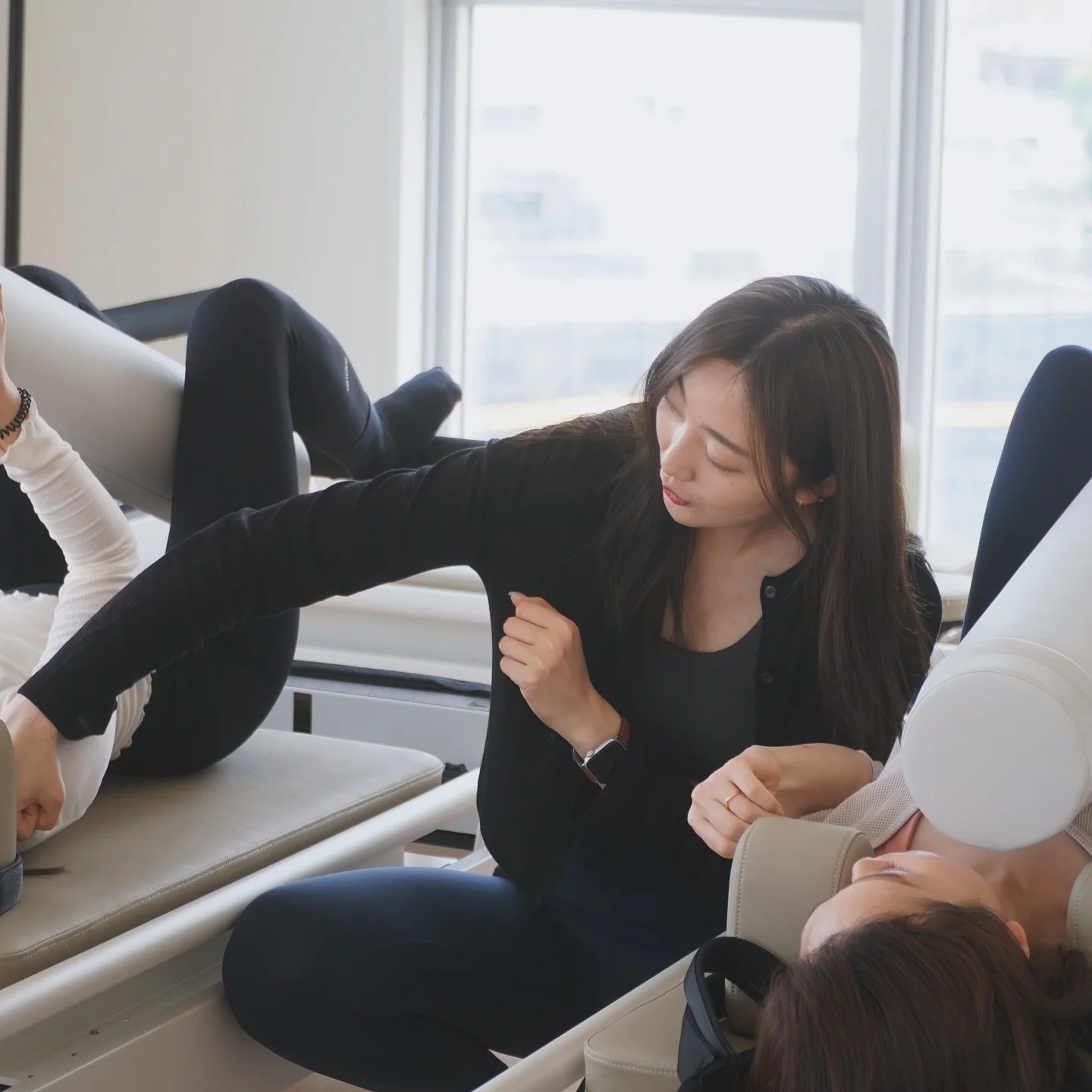
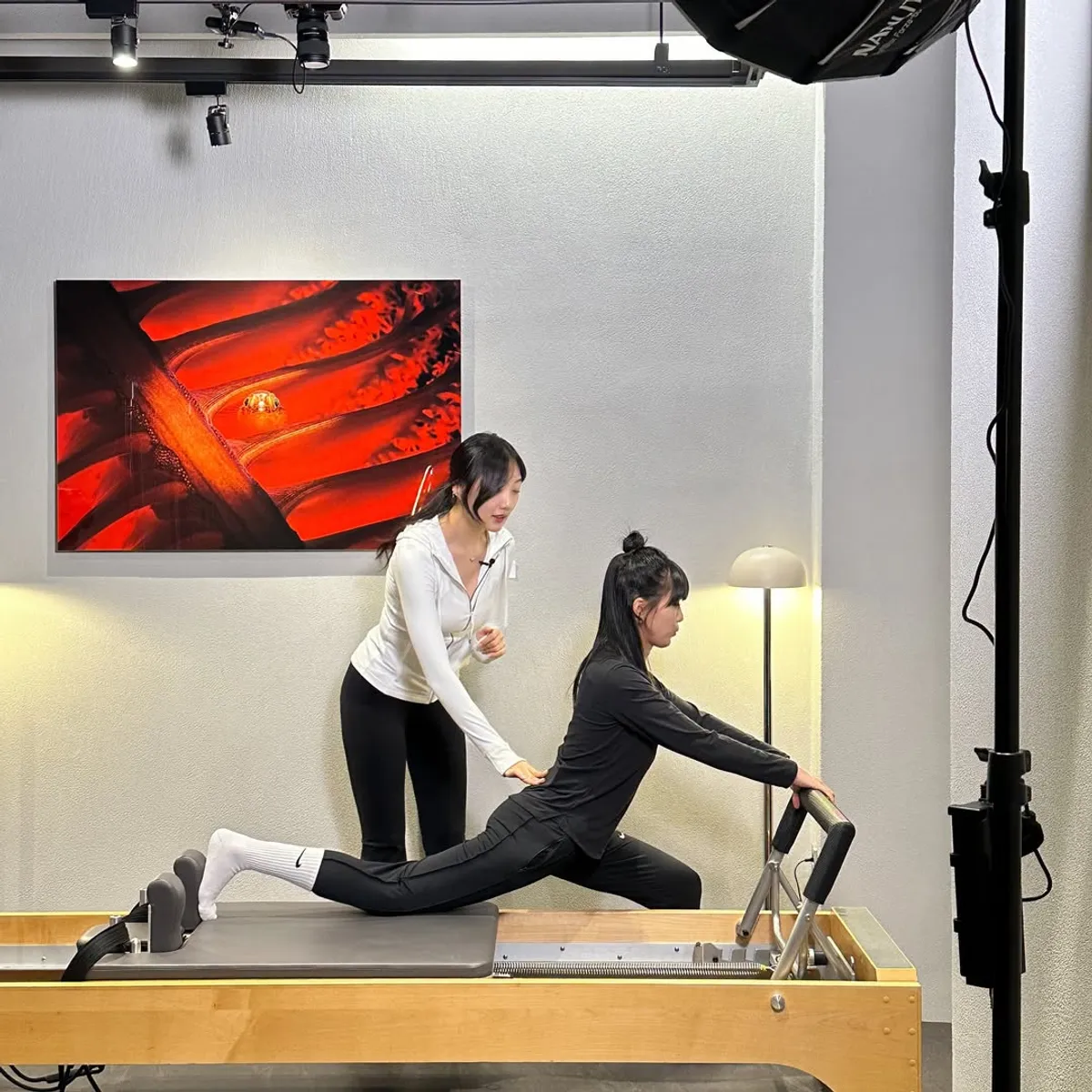
- Assessment-first culture: Korean studios don’t let you jump into a class. You get evaluated first — posture, alignment, movement patterns, pain history.
- Preventive mindset: The goal isn’t fixing problems. It’s building a body that doesn’t break down.
- Holistic integration: Movement, nutrition, recovery, and mental wellness aren’t separate departments. They’re one system.
This philosophy mirrors what made K-Beauty global: the idea that consistent, thoughtful care produces better results than aggressive intervention.
The Numbers Behind the Movement
Korea’s health and fitness market isn’t just culturally influential — it’s economically significant:
- The South Korean fitness market is projected to reach $7.6 billion by 2030, growing at nearly 10% annually
- K-Beauty already broke $2 billion in U.S. sales in 2025, proving Korean wellness concepts have massive global appeal
- Asian Pilates is cited as the fastest-growing fitness niche of 2026
The infrastructure behind these numbers is what matters most. Korea has built a fitness education system that produces instructors with genuine expertise — not weekend certifications, but months of training often backed by university degrees in sports science or kinesiology.
How K-Wellness Shows Up in Practice
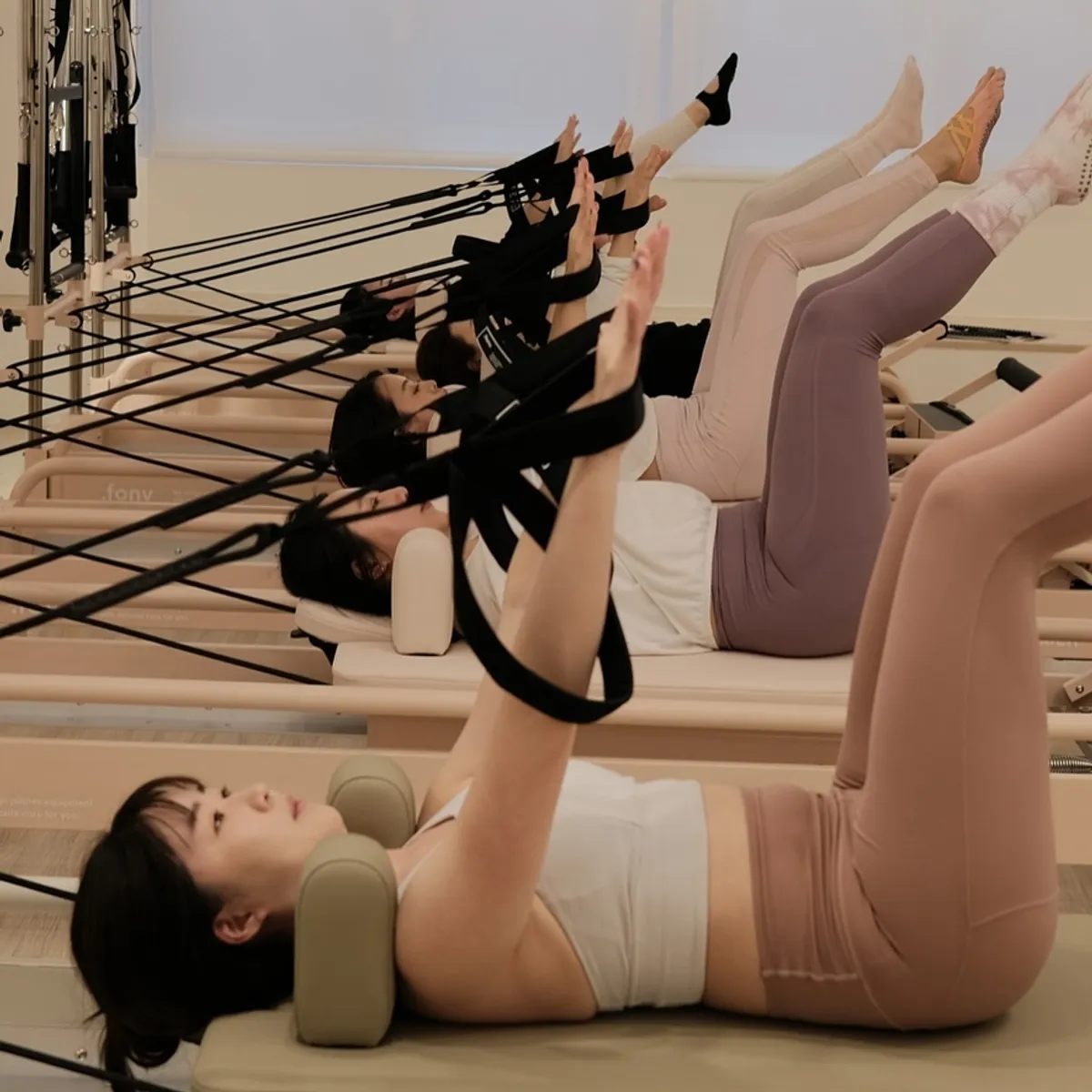
At mm Pilates and mm barre n yoga in Seoul, K-Wellness isn’t a marketing label — it’s how we actually operate.
Movement as medicine. Every client begins with a comprehensive assessment. We evaluate posture from three angles, test range of motion, and identify muscle imbalances. Only then do we design a program. Whether it’s Pilates for golfers, movement education for children, or barre training for dancers, each track is built on biomechanical science, not generic templates.
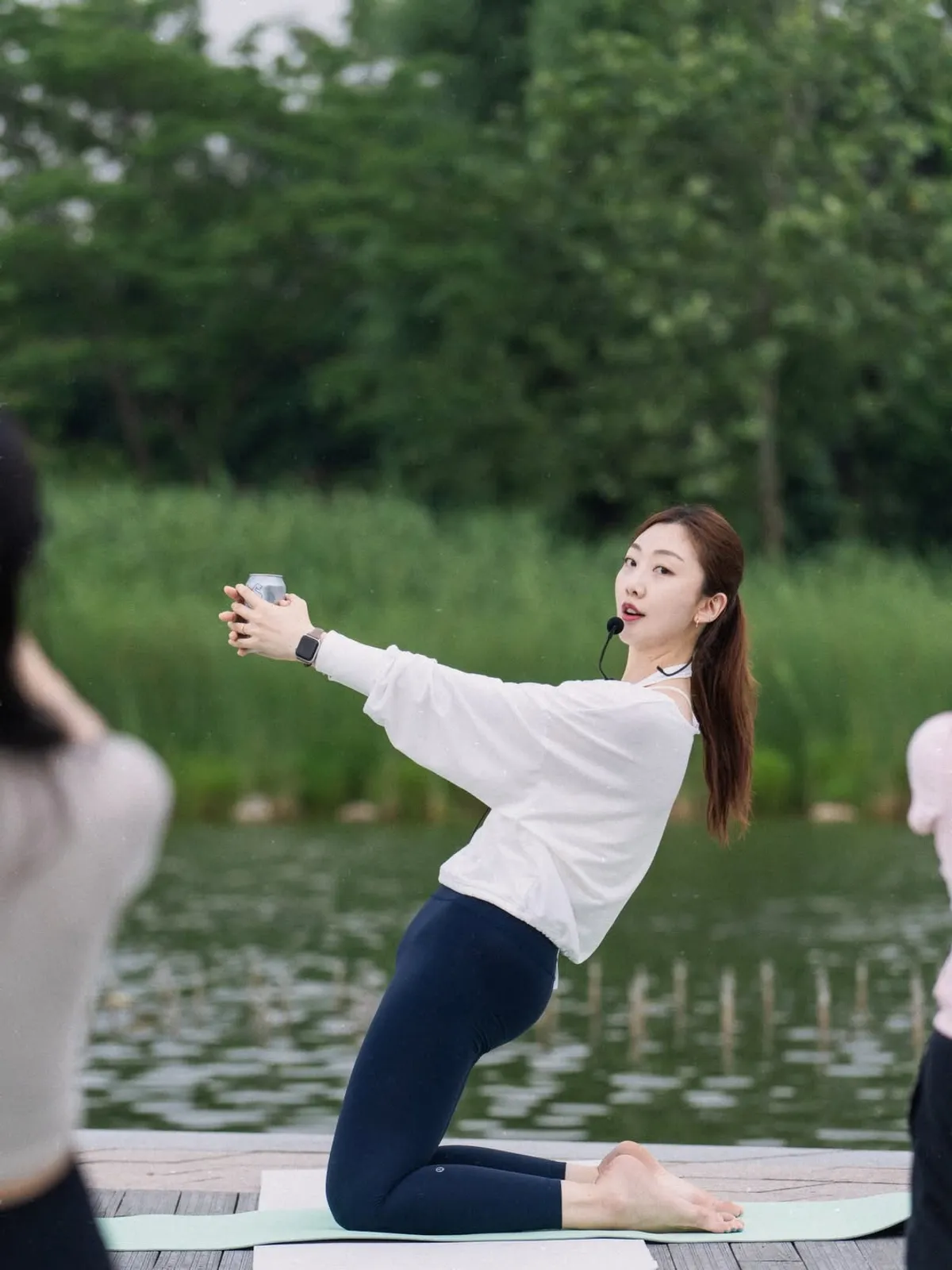
Indoor-outdoor integration. Korean wellness increasingly moves beyond the studio walls. Outdoor Pilates by the lake, running clinics that combine biomechanics analysis with movement training, corporate wellness programs — the boundary between “gym time” and “life” is intentionally blurred.
Community and mentorship. Through organizations like WILA and international seminar platforms like fonv, Korean wellness professionals actively share knowledge across borders. This isn’t competition — it’s a collective effort to raise industry standards globally.
The Dance Connection
My own path to wellness started in an unlikely place: contemporary dance. Studying dance at Chung-Ang University taught me that movement is never just physical — it’s emotional, expressive, and deeply personal.
This perspective shapes everything about the Korean wellness approach. We don’t see exercise as punishment for what you ate. We see it as a practice of connecting with your body. That shift in mindset — from discipline to connection — is perhaps the most powerful thing K-Wellness has to offer the world.
What’s Next
K-Wellness is still in its early chapters globally. But the trajectory is clear:
- Education export: Korean certification programs are expanding internationally, bringing systematic training methods to new markets
- Digital K-Wellness: Online platforms are making Korean movement methods accessible worldwide
- Wellness tourism: Seoul is already a destination for K-Beauty treatments — K-Wellness experiences (studio visits, wellness retreats) are the natural next step
The world learned skincare from Korea. Now it’s learning how to move. And as someone who bridges the academic and practical sides of this movement, I believe the best is yet to come.
Want to experience Korean wellness firsthand? Explore our programs or connect with Julia on Instagram.
Transform Your Movement, Transform Your Life
From Golf & Running Pilates to barre n yoga — discover programs designed by a sports science expert.