Pilates vs Yoga: An Honest Comparison From an Instructor Who Teaches Both
“What’s the difference between Pilates and Yoga?”
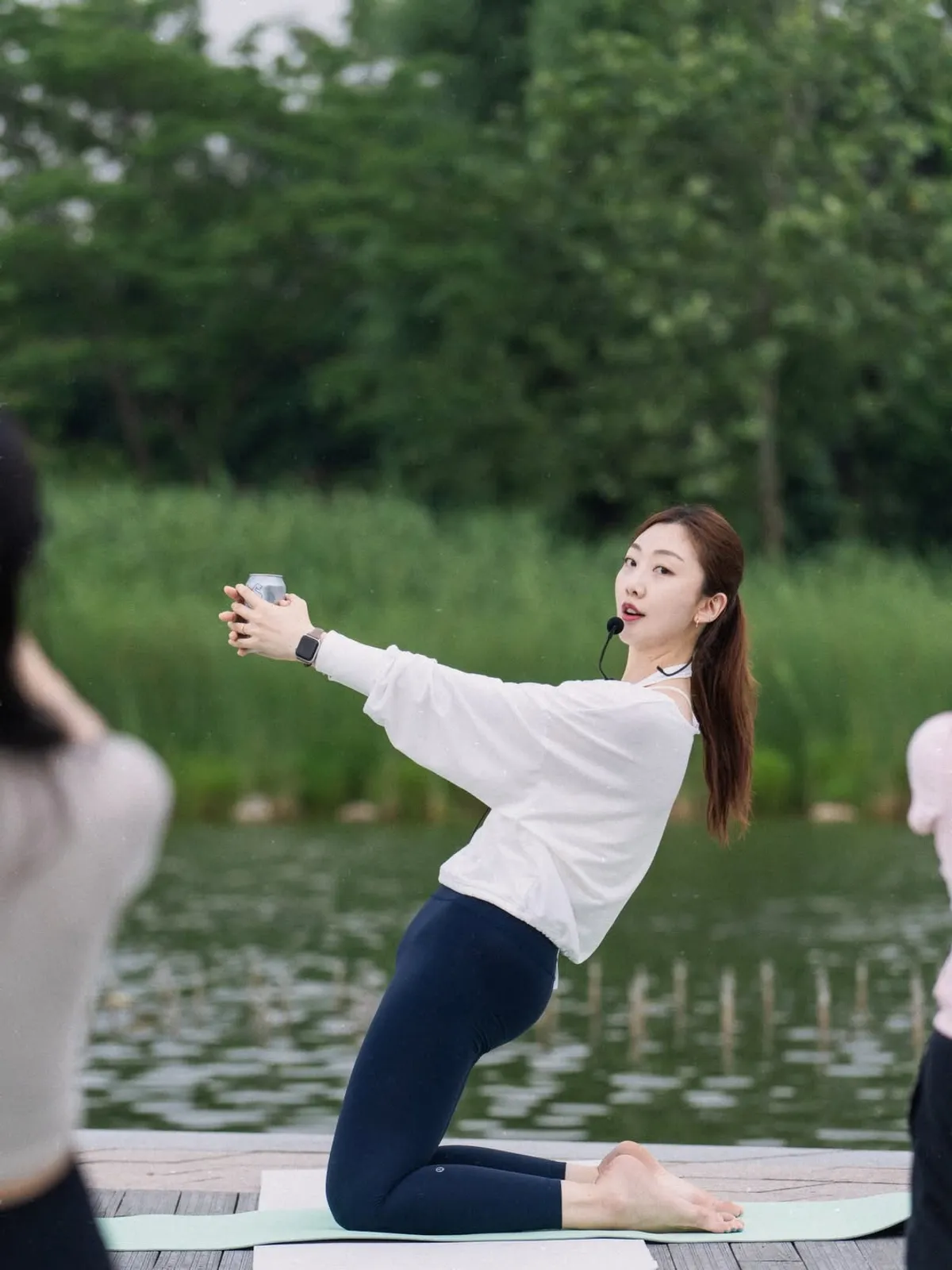
I get this question more than any other. I run both mm Pilates and mm barre n yoga classes in Seoul, which means I teach both disciplines every single day, often back to back. So when people ask me to pick a side, I honestly can’t — I love both forms of movement for very different reasons.
Today, I want to give you the most honest comparison I can. Not the surface-level lists you find everywhere online, but what I’ve actually experienced in my own body and observed in my students over years of teaching both.
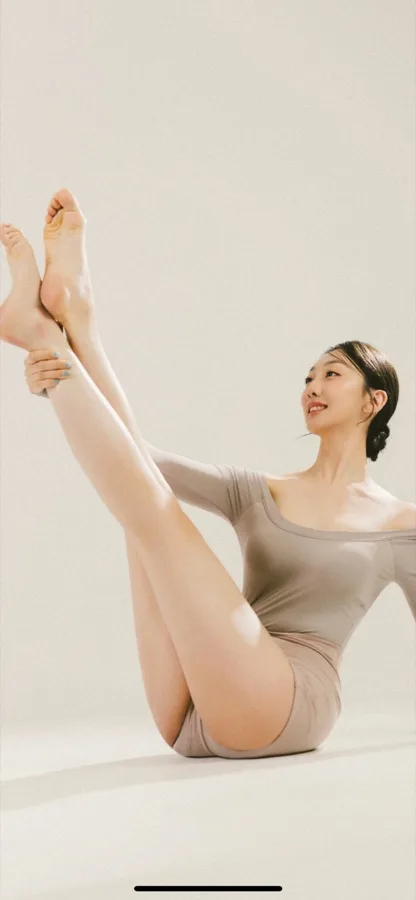
How Are Pilates and Yoga Different?
Pilates was born from rehabilitation; Yoga was born from spiritual practice — their foundations are fundamentally different. They may look similar on the surface, but their origins couldn’t be more different.
Yoga began thousands of years ago in India as a spiritual practice. Physical postures — asanas — were originally just preparation for long meditation sessions. The body needed to be strong and open enough to sit still for hours. At its core, Yoga is about integrating body, mind, and breath.
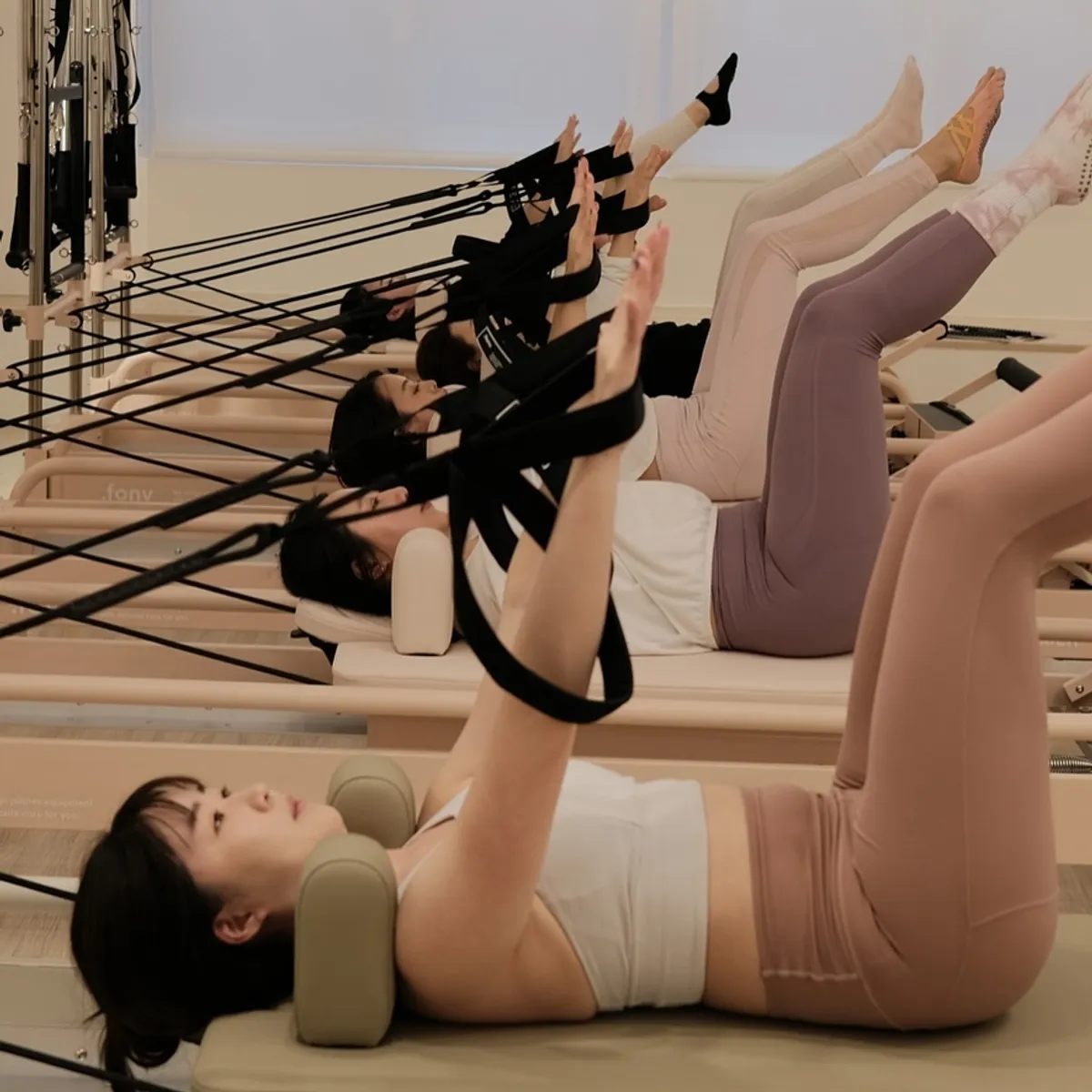
Pilates was created in the early 20th century by Joseph Pilates. During World War I, he rigged bed springs to help injured soldiers rehabilitate — and that improvised apparatus became the ancestor of today’s Reformer. Later, in New York, he refined his method while working with modern dancers like Martha Graham. My own path followed a similar thread — I came to Pilates through contemporary dance, and that connection still shapes how I teach.
In short: Yoga was born from spiritual practice; Pilates was born from rehabilitation and physical function.
How Does Breathing Differ Between Pilates and Yoga?
Breathing is the single biggest difference. Pilates uses lateral rib-cage breathing to maintain core stability, while Yoga uses deep diaphragmatic belly breathing for relaxation. Both use the word “breathe,” but the technique and purpose are worlds apart.
Pilates: Lateral (Rib-Cage) Breathing
In Pilates, you inhale through the nose and expand the ribcage sideways, then draw the ribs inward as you exhale. Why? Because many Pilates movements require you to keep your abdomen flat and your deep core muscles engaged — like a corset stabilizing your spine. If you breathe deeply into your belly, that stability is lost.
So instead, you direct the breath into the ribcage while maintaining core tension. Think of it as training your body to breathe while keeping the powerhouse active.
Yoga: Diaphragmatic (Belly) Breathing
In Yoga, the breath goes deep into the belly. The diaphragm descends fully on the inhale — your abdomen rises — and it gently falls on the exhale. Some styles also use Ujjayi breath, where you slightly constrict the back of the throat to create a soft, ocean-like sound.
The purpose is different. Yogic breathing is designed to activate the parasympathetic nervous system, calming both body and mind. Research consistently shows that deep diaphragmatic breathing lowers cortisol levels and stabilizes heart rate.
If you practice both and find the breathing confusing at first — that’s completely normal. I felt the same way when I started. But your body adapts, and eventually the switch becomes automatic.
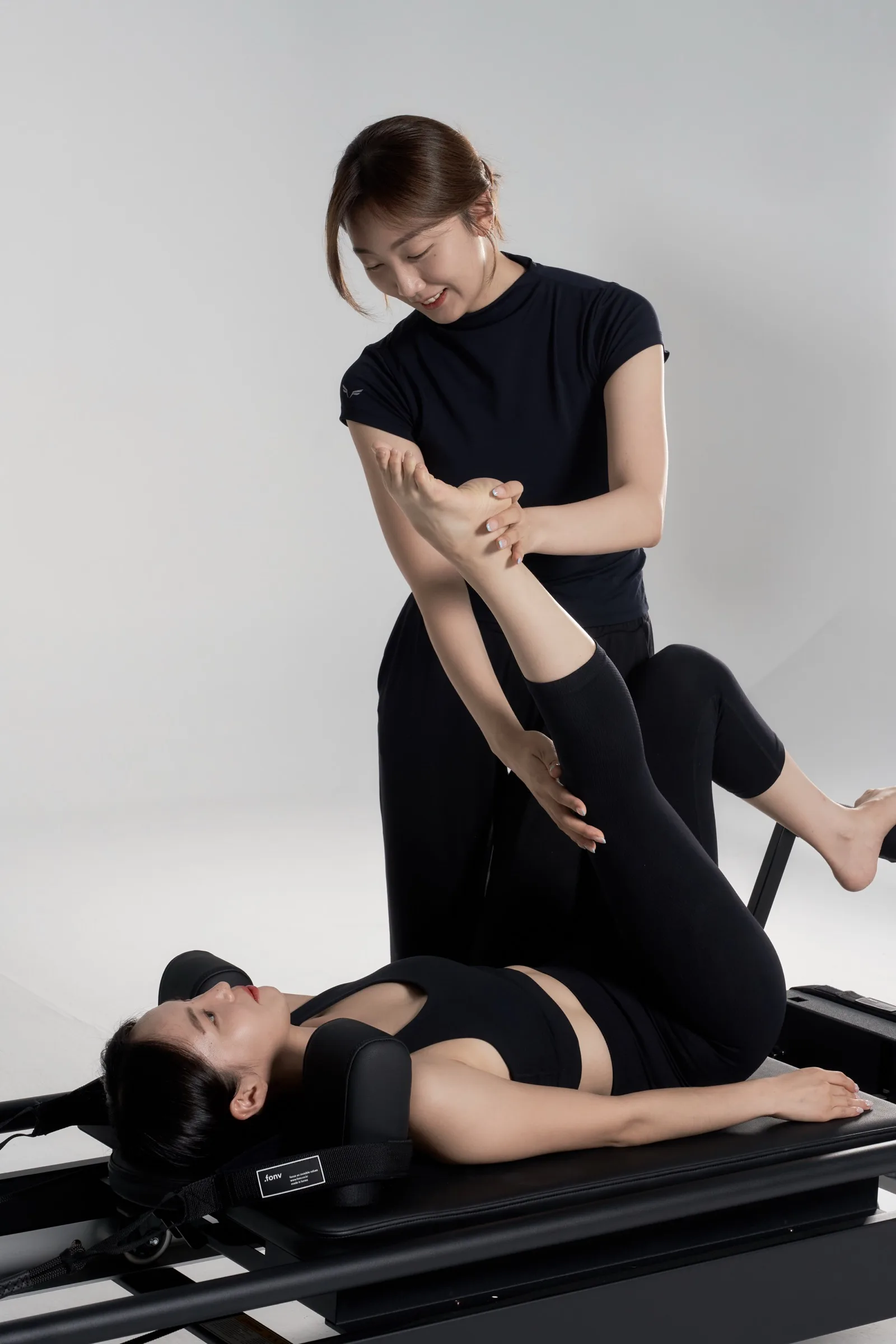
What Are the Physical Benefits of Pilates vs Yoga?
Pilates excels at core stability and postural alignment, while Yoga is strongest for flexibility and mental calm. Both offer real benefits, and there’s meaningful overlap. But each has a distinct center of gravity.
Where Pilates Excels
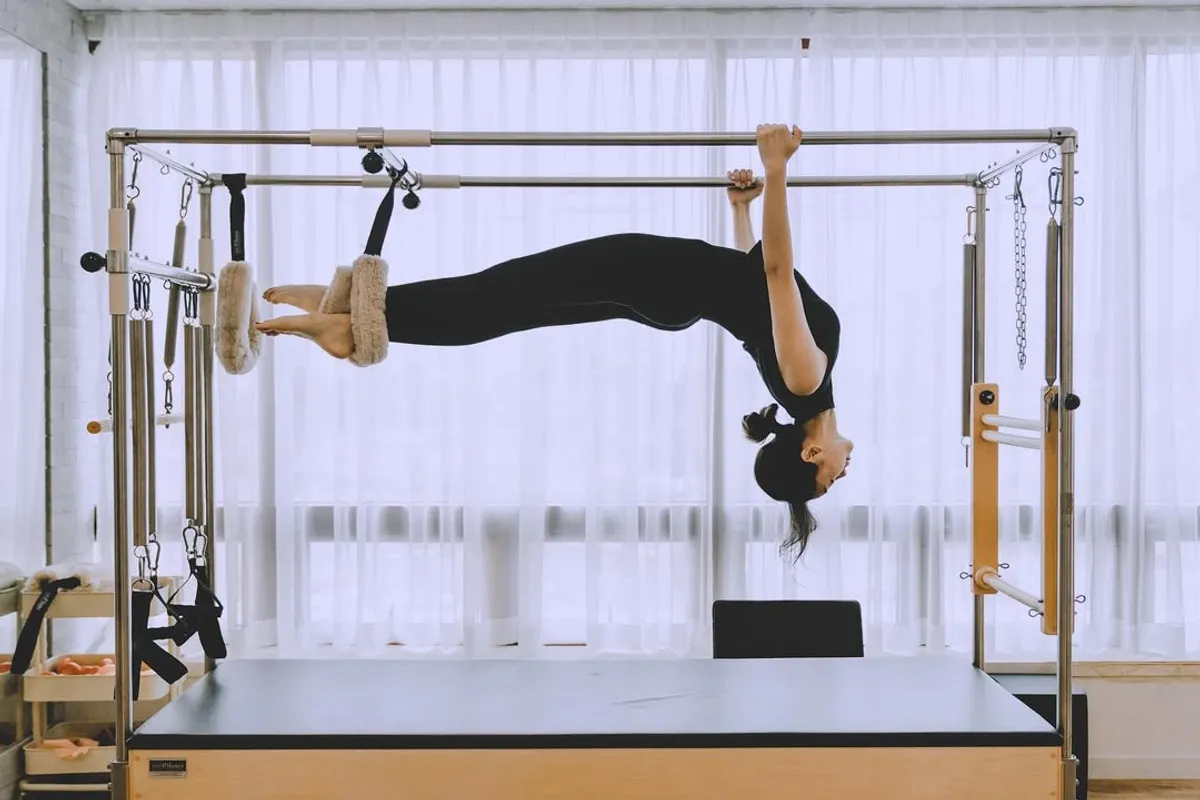
Pilates is exceptional for core stability and postural alignment. Equipment like the Reformer, Cadillac, and Chair provides calibrated resistance while guiding your body into proper alignment. This lets you activate specific muscles with remarkable precision. From a motor-control perspective, Pilates trains the brain to recruit muscles selectively — it’s neuromuscular education.
If you’re dealing with forward-head posture, rounded shoulders, pelvic misalignment, post-disc-injury rehab, or muscular imbalances, Pilates is extremely effective.
Where Yoga Excels
Yoga shines in flexibility and mental calm. Holding poses for extended periods gently lengthens fascia and connective tissue, while breathing and meditation guide the mind toward deep relaxation. That feeling of mental clarity after a Yoga session isn’t imagined — it’s your parasympathetic nervous system doing its work.
If you carry chronic stress, struggle with sleep quality, or want to improve whole-body flexibility, Yoga is an excellent choice.
What If You Do Both?
Honestly, the combination is ideal. Pilates builds the core strength and structural foundation; Yoga adds flexibility and recovery. Together, they fill each other’s gaps perfectly. That’s exactly why our mm studio runs both spaces side by side.
Which One Is Right for You?
Every Pilates-vs-Yoga comparison eventually lands here: “So which one should I do?” Let me break it down by goal.
| Your Goal | Recommendation | Why |
|---|---|---|
| Posture correction | Pilates | Reformer guides alignment with precision resistance |
| Stress relief | Yoga | Restorative/Yin Yoga activates parasympathetic system |
| Back or joint issues | Private Pilates | Equipment supports safe movement + targeted strengthening |
| Overall wellness | Both | They complement each other perfectly |
| Athletic performance | Pilates + Yoga | K-Pilates approach: strength + recovery |
| Growing children | Kids Pilates | Age-appropriate movement education |
Final Thoughts: Listen to Your Body
I studied contemporary dance at Chung-Ang University, then pursued graduate work in motor control and exercise science. Through all of that, I arrived at one conclusion: when it comes to quality movement, genre labels don’t matter. Pilates, Yoga, Barre — each one makes the body healthier in its own way.
When someone asks me, “Pilates or Yoga?” my answer is always the same: “Both are excellent. Listen to what your body is asking for right now.” If you feel you need core strength, choose Pilates. If you need stillness and calm, choose Yoga. And if you can — do both.
Whatever you choose, consistency is what matters most. Your body will always respond when you show up. This philosophy is at the heart of K-Wellness culture — balance before intensity, connection before discipline.
Not sure whether Pilates or Yoga is right for you? Send a DM on Instagram @pilajuliaa. I’d love to help you figure out which practice fits your body and goals — at mm Pilates & mm barre n yoga in Seoul.
Transform Your Movement, Transform Your Life
From Golf & Running Pilates to barre n yoga — discover programs designed by a sports science expert.